Blog
Integration Trends Between Traditional Craftsmanship and Modern Techniques

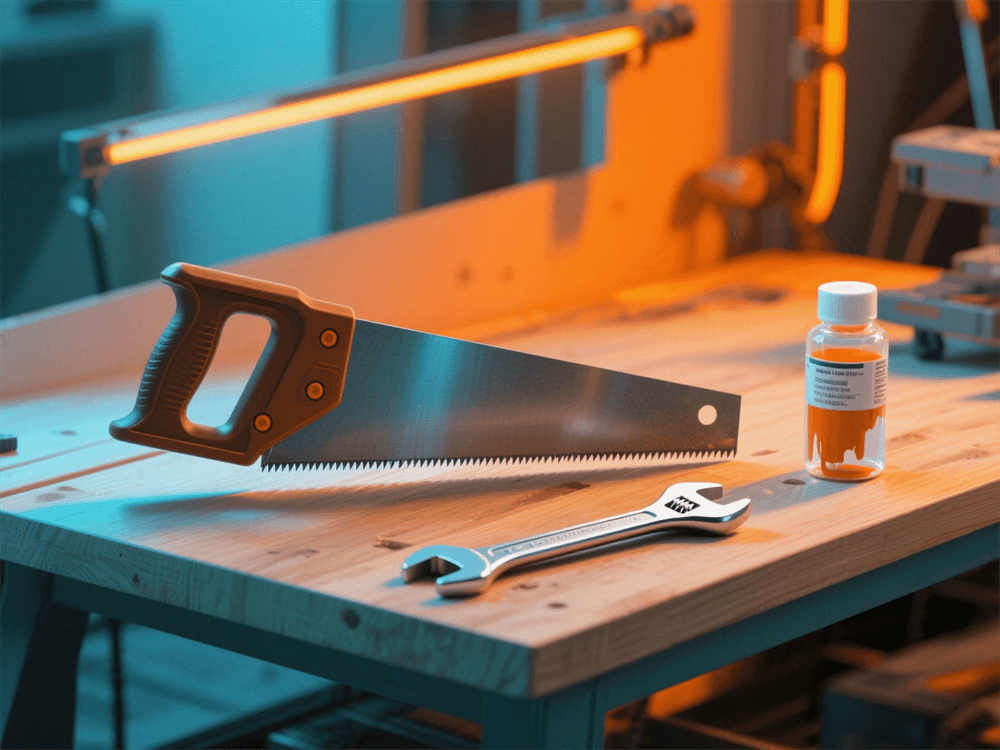
The model making industry is witnessing a renaissance of traditional craftsmanship techniques as manufacturers seek to differentiate their offerings in an increasingly competitive market. Artisans specializing in wood carving, metalworking, and hand-painting are finding new relevance as consumers demand models with greater aesthetic detail and historical accuracy. This resurgence is particularly evident in the heritage model sector, where museums and collectors are commissioning pieces that replicate historical artifacts with microscopic precision. To meet this demand, some manufacturers are establishing dedicated craft workshops staffed by master artisans, while others are partnering with art schools to train the next generation of skilled model makers. This blend of old and new is also driving innovation in tool development, with traditional hand tools being redesigned to incorporate ergonomic features that improve worker comfort during extended use. The fusion of techniques is particularly apparent in the production of scale military models, where hand-painted decals and weathering effects are combined with laser-cut components to create highly realistic replicas. Industry experts note that this trend is not merely nostalgic but reflects a broader consumer preference for products with provenance and human touch. However, the integration of traditional methods presents challenges, particularly in maintaining consistent quality across large production runs. Some companies are addressing this by implementing quality control systems that combine digital measurement tools with human inspection, ensuring each piece meets strict standards while preserving artistic integrity. The trend is also influencing pricing strategies, with handcrafted models commanding premium prices compared to their mass-produced counterparts. This dynamic is reshaping the competitive landscape, with niche manufacturers specializing in artisanal models gaining traction alongside larger industrial producers.